
|
Welcome to Cypress Storage!Safe, Convenient, and Trusted Storage Solutions – Serving Cypress with Excellence! |
|
|
Welcome to Cypress Storage!Safe, Convenient, and Trusted Storage Solutions – Serving Cypress with Excellence! |
Store your belongings with peace of mind.
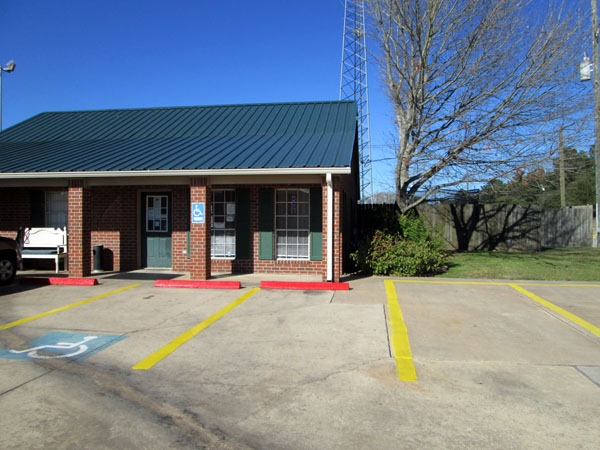
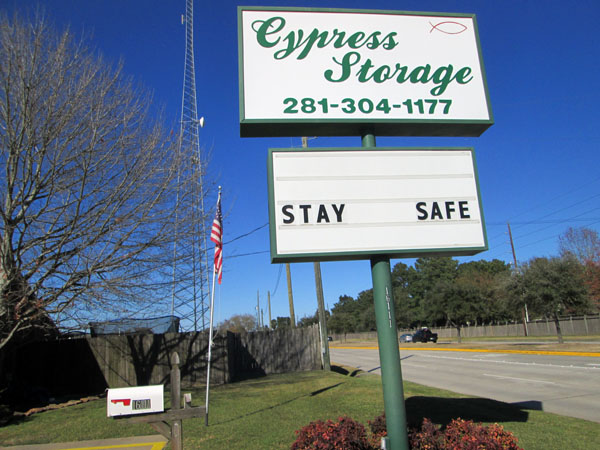
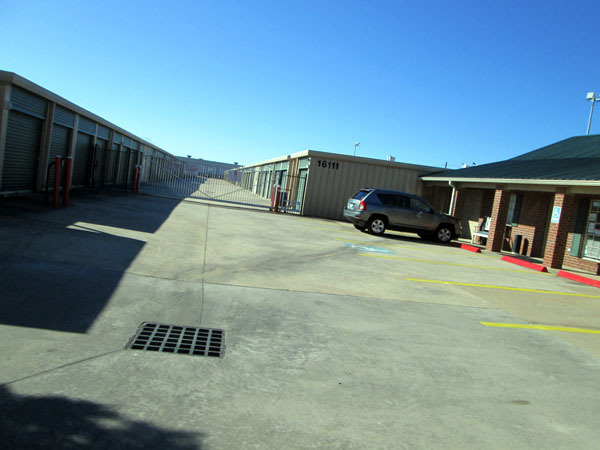
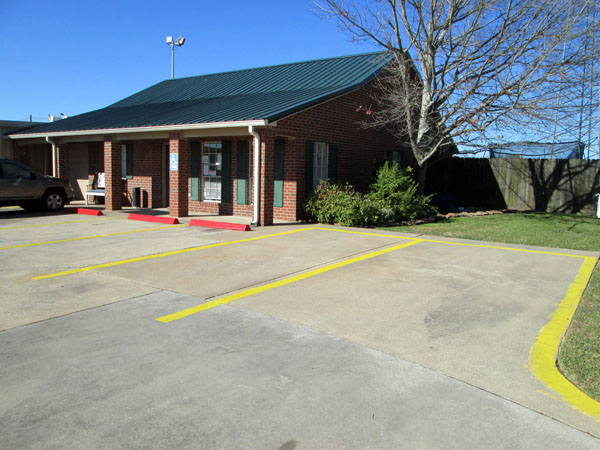
No current specials available.
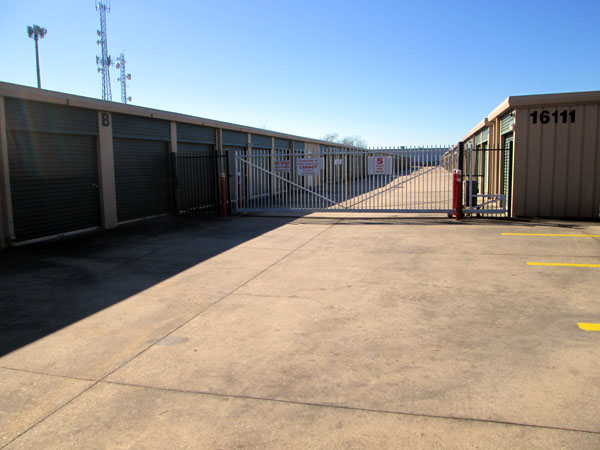
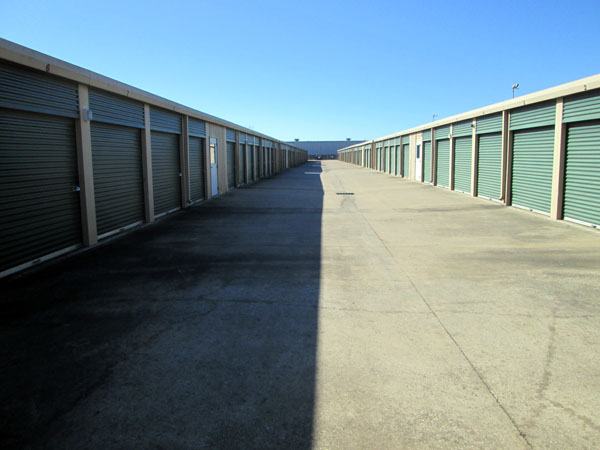
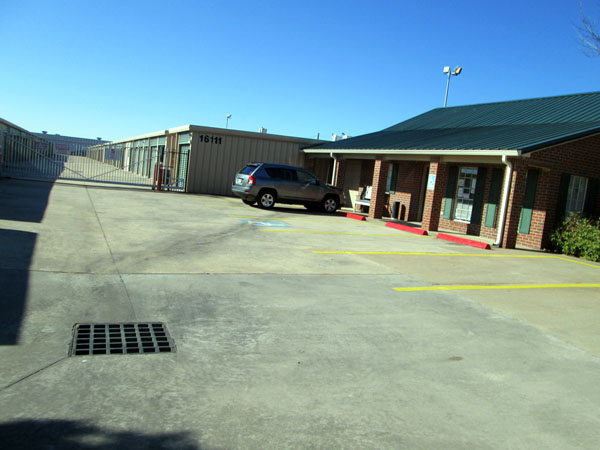
Cypress Storage in Cypress, Texas, is an A+ rated facility featuring a resident manager, climate control storage, vehicle parking, an automatic gate, well-lit premises with security cameras, and controlled access to climate control units at a competitive rate. With exceptional customer service and affordable prices, Cypress Storage provides a reliable and convenient storage solution for individuals and businesses.
O Admin Fee: $17.76
O 24-7 Access
O Boat / RV Storage
O Drive Up
O Boxes/Moving Supplies
O On-Site Manager
O Climate Control
O No Cash
O Emailed Invoices
O Credit Cards Accepted
O First Of Month Billing
O Autopay Available
At Cypress Storage in Cypress, we take pride in offering top-notch self-storage solutions with advanced security features like surveillance cameras, perimeter fencing, and gated access. Whether you're managing a business, moving to a new home, or just need extra space for your belongings, we’re here to meet your needs with convenience and peace of mind.
If you're searching for budget-friendly storage units in Cypress, look no further than Cypress Storage! Conveniently located at 16111 Cypress Rose Hill, we offer the perfect self-storage solution at unbeatable prices. Whether you need space for personal items, business inventory, or anything in between, our facility provides a variety of unit sizes to fit your needs—all at competitive rates. Take advantage of our secure, cost-effective storage options and enjoy peace of mind knowing your belongings are in good hands. Reserve your unit today and experience the best value in self-storage right here in Cypress!




Author: Justin Small | Published On: Dec 18, 2023
Gone are the days of dusty attics and forgotten basements. Self-storage facilities have become the modern-day guardians of our belongings, sheltering everything from sentimental heirlooms to seasonal sports equipment. But while hefty locks and watchful cameras deter physical break-ins, a new threat lurks in the shadows: cyberattacks.
As self-storage companies embrace technology, integrating access control, tenant management, and online payments, they create a digital vault of sensitive information. This convenience, however, comes with a hidden cost – vulnerability. Tenant data, payment details, even unit access codes – all become potential targets for hackers lurking in the digital ether.
The consequences of a cyberattack can be devastating. Imagine a data breach exposing your personal information, financial details, or worse, the key to your storage unit. The reputational damage can be immense, driving customers away and leaving a trail of frustration and mistrust.
But fear not, for the industry is fighting back. Leading companies are building digital fortresses around their data, implementing robust cybersecurity measures like multi-factor authentication, data encryption, regular security audits, and employee training. These layers of protection make it harder for hackers to breach the walls and steal the valuables within.
However, the digital divide threatens to leave smaller facilities vulnerable. Lacking the resources or awareness, they become easy targets with weaker defenses. It's a gold mine for attackers, who exploit these gaps like a nimble thief slipping through a forgotten window.
The choice is clear: adapt or become obsolete. In the digital age, self-storage facilities must prioritize cybersecurity as much as physical security. Investing in robust protections isn't just about safeguarding your own data; it's about building trust with customers, ensuring their valuables remain safe in both the physical and digital realms.
Here's how the industry can build a future where security reigns supreme:
By embracing these measures, self-storage facilities can transform from vulnerable shelters to secure havens in the digital age. They can become not just guardians of our physical possessions, but trusted protectors of our personal information and digital identities. In this digital landscape, security is not a luxury, it's a necessity. And for the self-storage industry, it's the key to unlocking a future of trust, growth, and peace of mind.
Remember, in the digital age, security is not just about keeping valuables out of sight, it's about keeping them out of reach. By building digital fortresses, self-storage facilities can ensure that the treasures entrusted to them remain safe, secure, and protected from the shadows.
For general inquiries, email us at: management@diamondselfstorage.net
or call: (281) 617-0550
For Cyber Security inquiries, email: cybersecurity@diamondselfstorage.net or call: (281) 617-0550 Ext 100